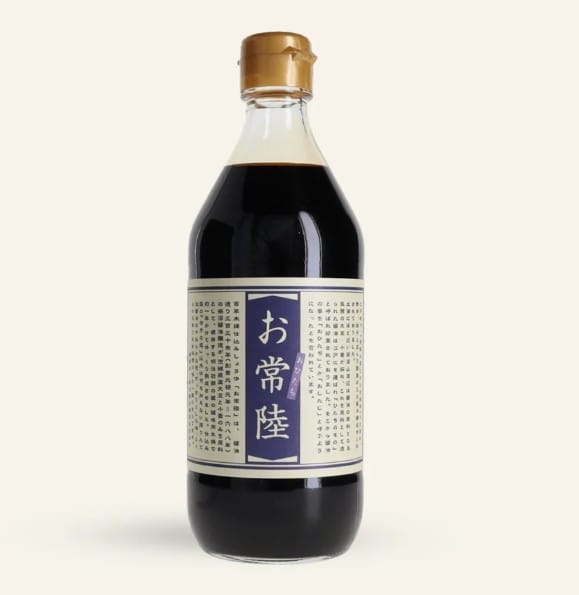
Soy sauce—shoyu (醤油)—is one of the most important seasonings in Japanese cuisine. It is used not only to add salt, but also to give dishes umami, aroma, depth, and balance. Traditional Japanese soy sauce is brewed from ingredients including soybeans, wheat, and salt. Using koji, a fermentation culture is first created, after which the mixture matures further in brine and develops into the complex, savory flavor so characteristic of shoyu.
Not all Japanese soy sauces are the same. Koikuchi is the dark, versatile variety that’s widely used for cooking, marinating, and dipping. Usukuchi, on the other hand, is lighter in color but relatively salty, and was developed in part to season ingredients and broths without significantly altering their color. There are also other varieties, including tamari, a dark, robust soy sauce made primarily from soybeans—usually with little or no wheat—that has a rich, pronounced umami flavor.
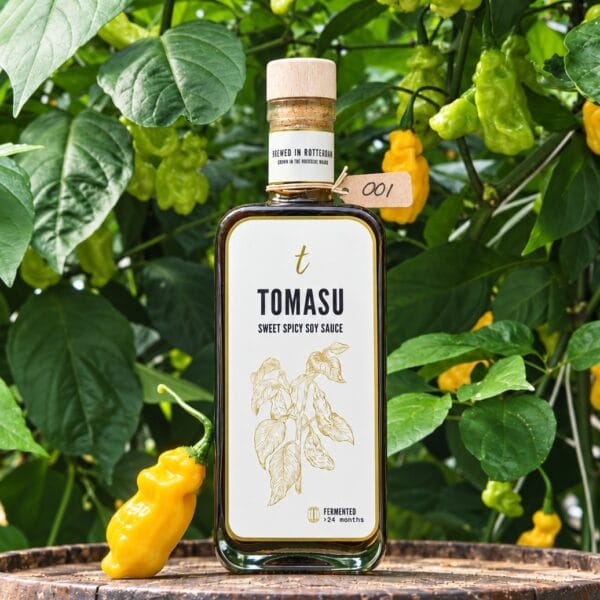
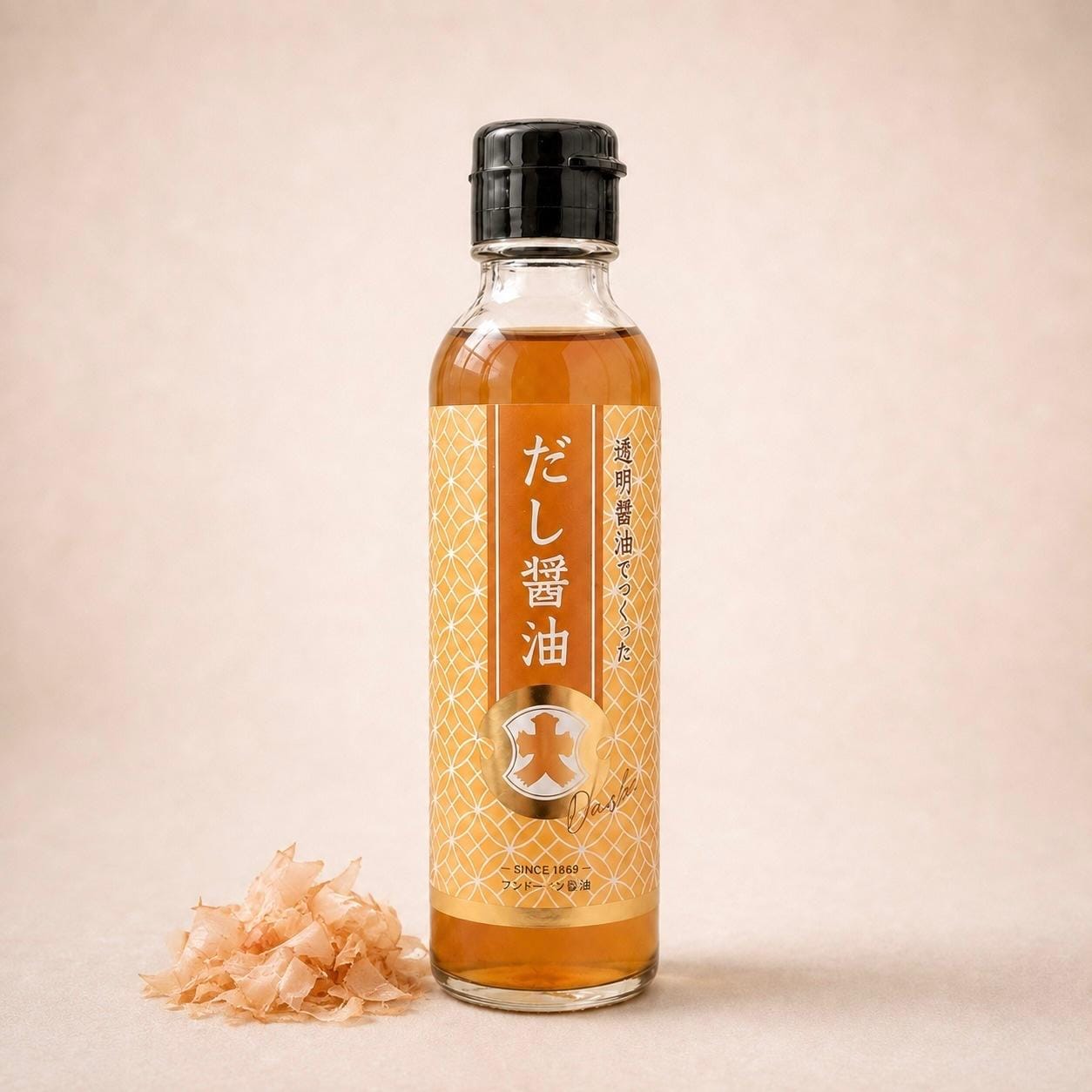
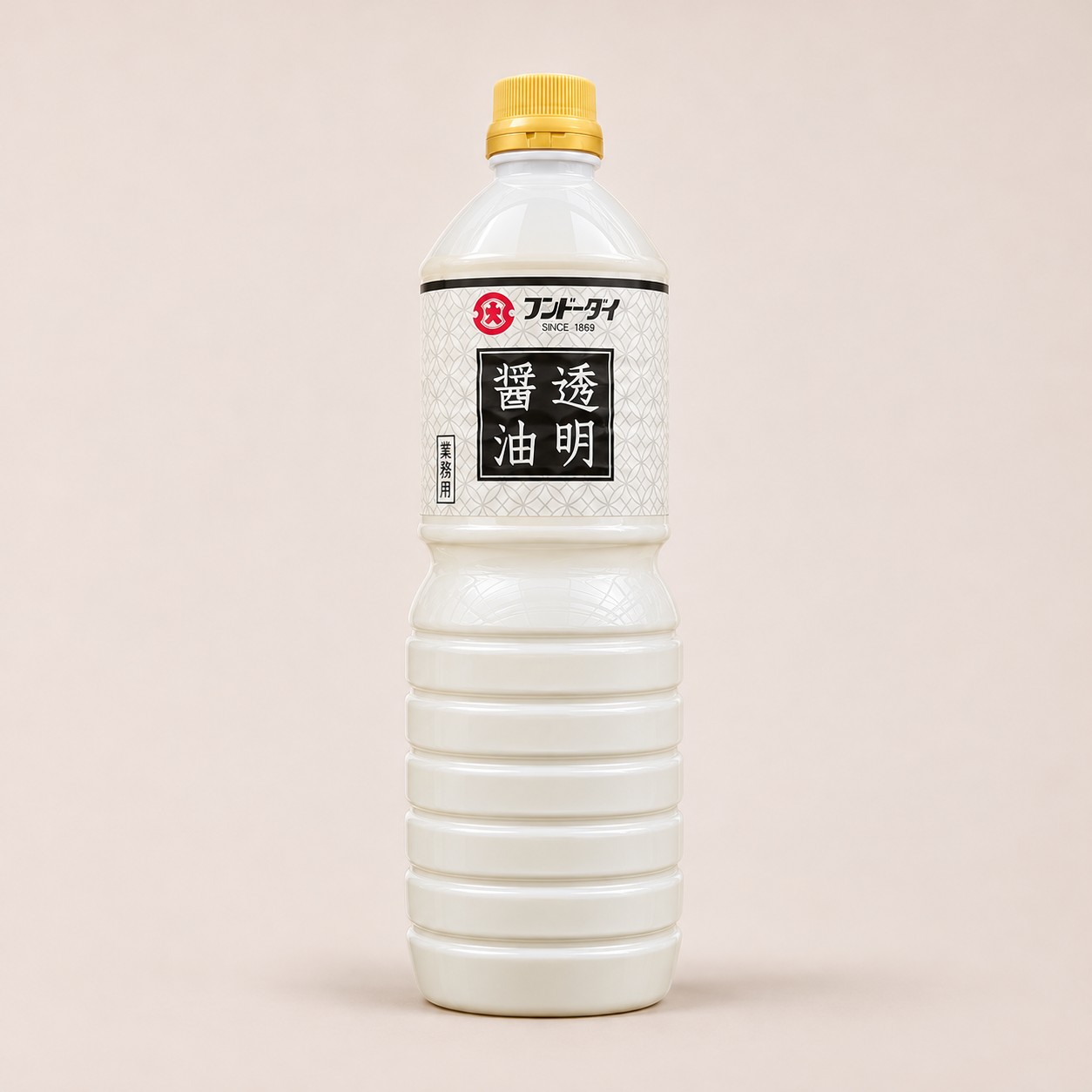
Our product range beautifully showcases this versatility: from traditional Japanese koikuchi, usukuchi, and tamari to unpasteurized, smoked, and even clear soy sauces. We also enjoy working with Tomasu, which brews soy sauce in the Netherlands using locally grown soybeans and wheat and allows the sauce to ferment for at least 24 months. This makes Tomasu a perfect fit for what we value: a focus on ingredients, time, craftsmanship, and flavor.
One of their most unique collaborations is their Sweet & Spicy Soy Sauce. It combines the deep umami of their long-fermented soy sauce with sugar from Dutch sugar beets, sesame, and aromatic Madame Jeanette peppers. We grow some of those peppers specifically for Tomasu in our own greenhouses. The peppers add not only heat but also fruity and fresh aromas, resulting in a sauce that brings together umami, sweetness, and spiciness.
Soy sauce certainly belongs with sushi, but its role in the kitchen goes far beyond that. Use shoyu in dips, dressings, marinades, broths, noodle dishes, stews, and slow-cooked dishes—or simply as a final touch to enhance the flavor of a dish. Combined with ingredients like mirin, sake, and dashi, soy sauce also forms the basis of countless classic Japanese flavor combinations.
No account yet?
Create an AccountWe use cookies to ensure the online store works properly and to see which of our Japanese specialties interest you. This way, we can show you more of what you like and less of what you’re not looking for. Is that okay with you? You can always decline or change your settings later.