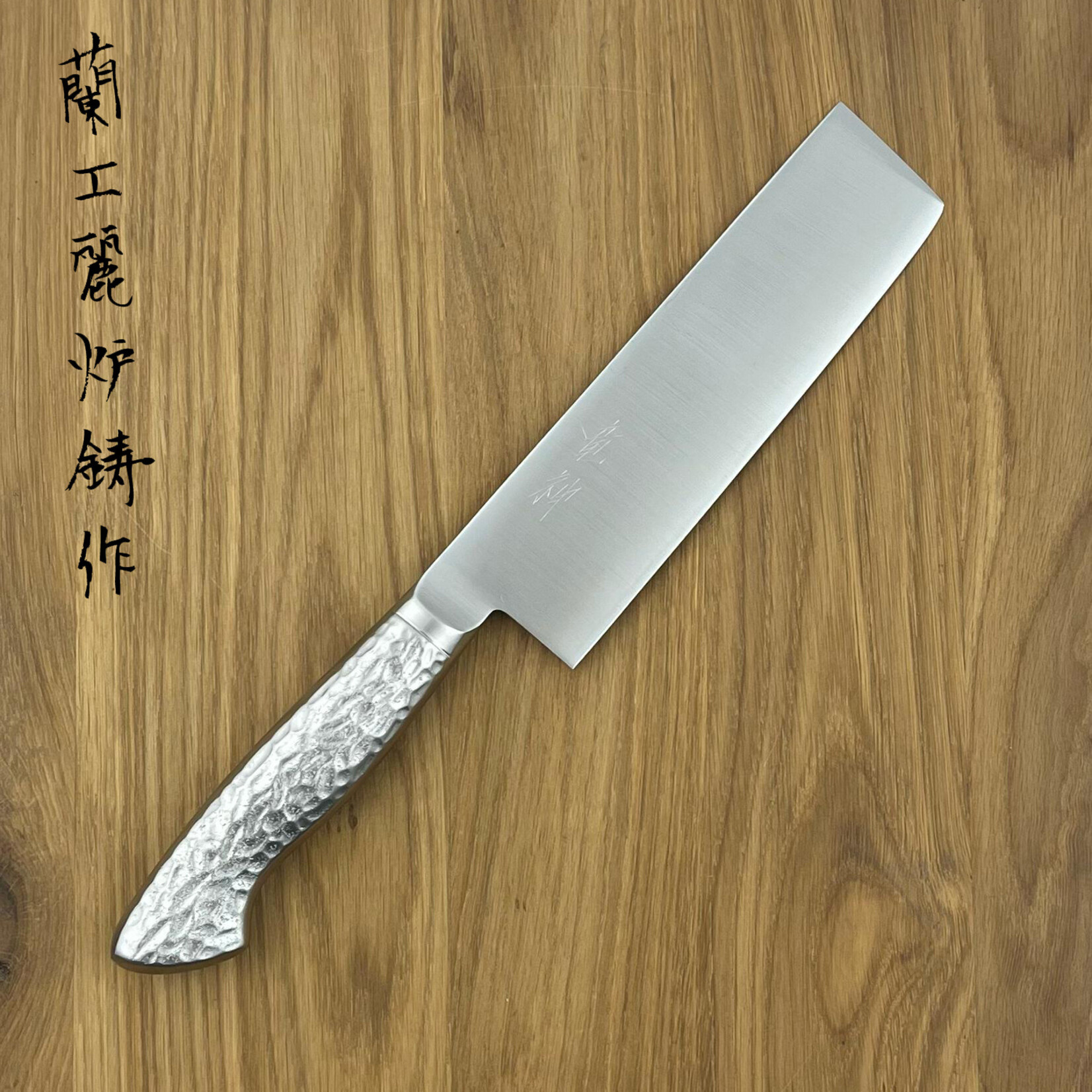
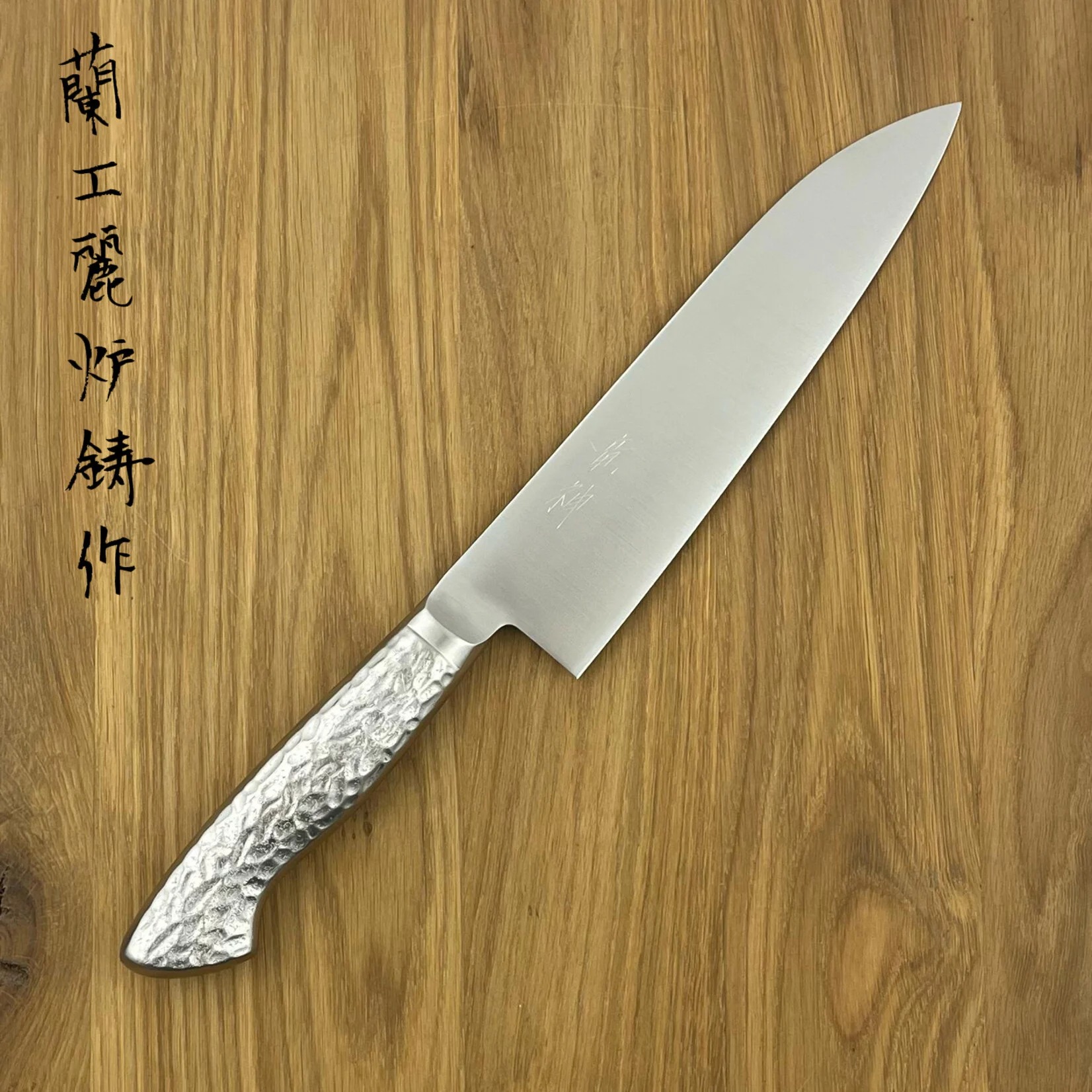
Japanese knives are closely tied to the way ingredients are prepared in Japanese cuisine. There are dozens of different shapes, often designed for a single specific task. For example, a deba is used for cleaning and filleting fish, a yanagiba for long, smooth cuts of sashimi, and a nakiri or usuba for precise vegetable preparation.
Many traditional Japanese knives are sharpened on one side. This allows for very precise, clean cuts, which is especially important when preparing raw fish and finely chopping vegetables. The steel and hardness of the blade also play a major role in this: a good Japanese knife can become exceptionally sharp, but it also requires careful use and maintenance.
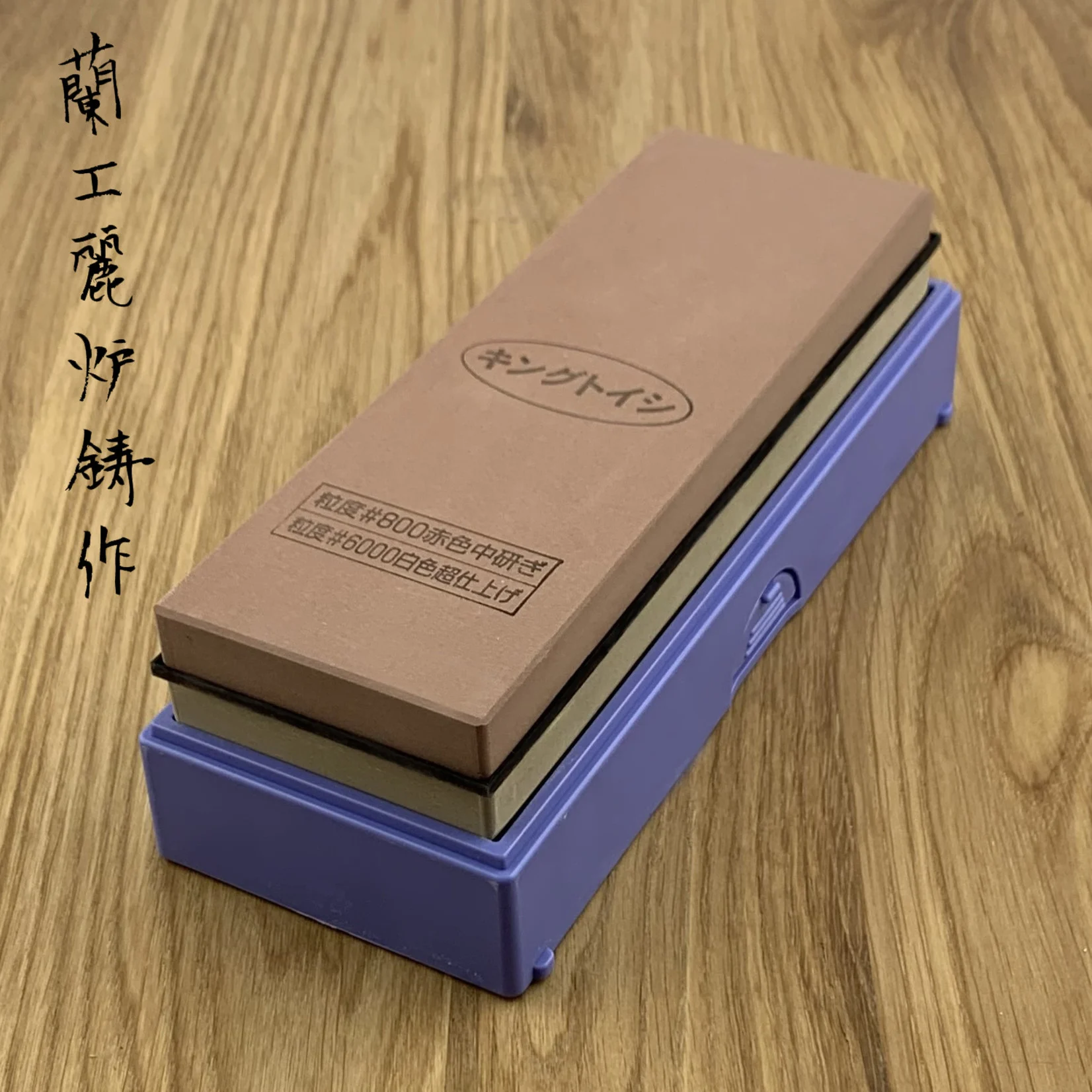
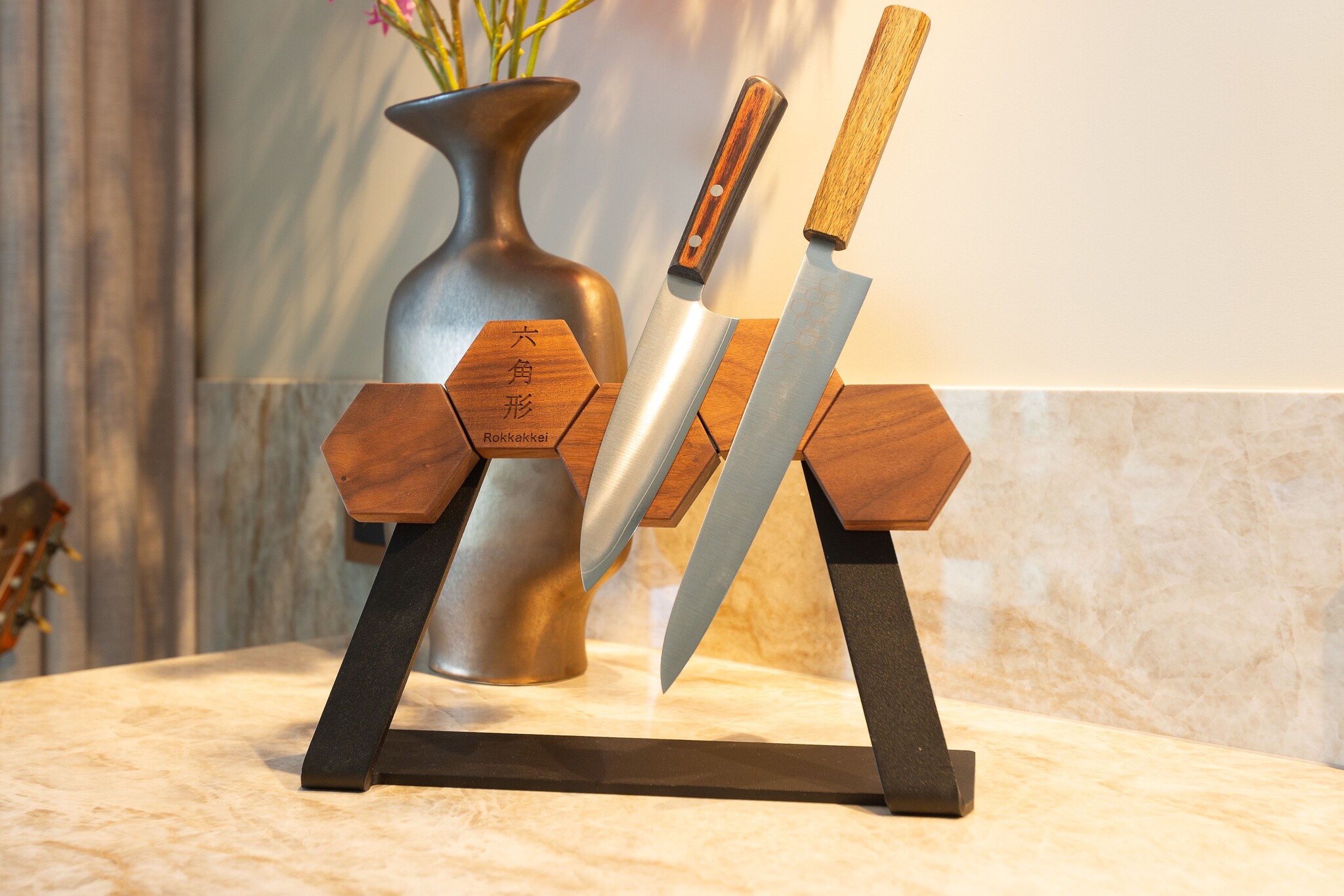
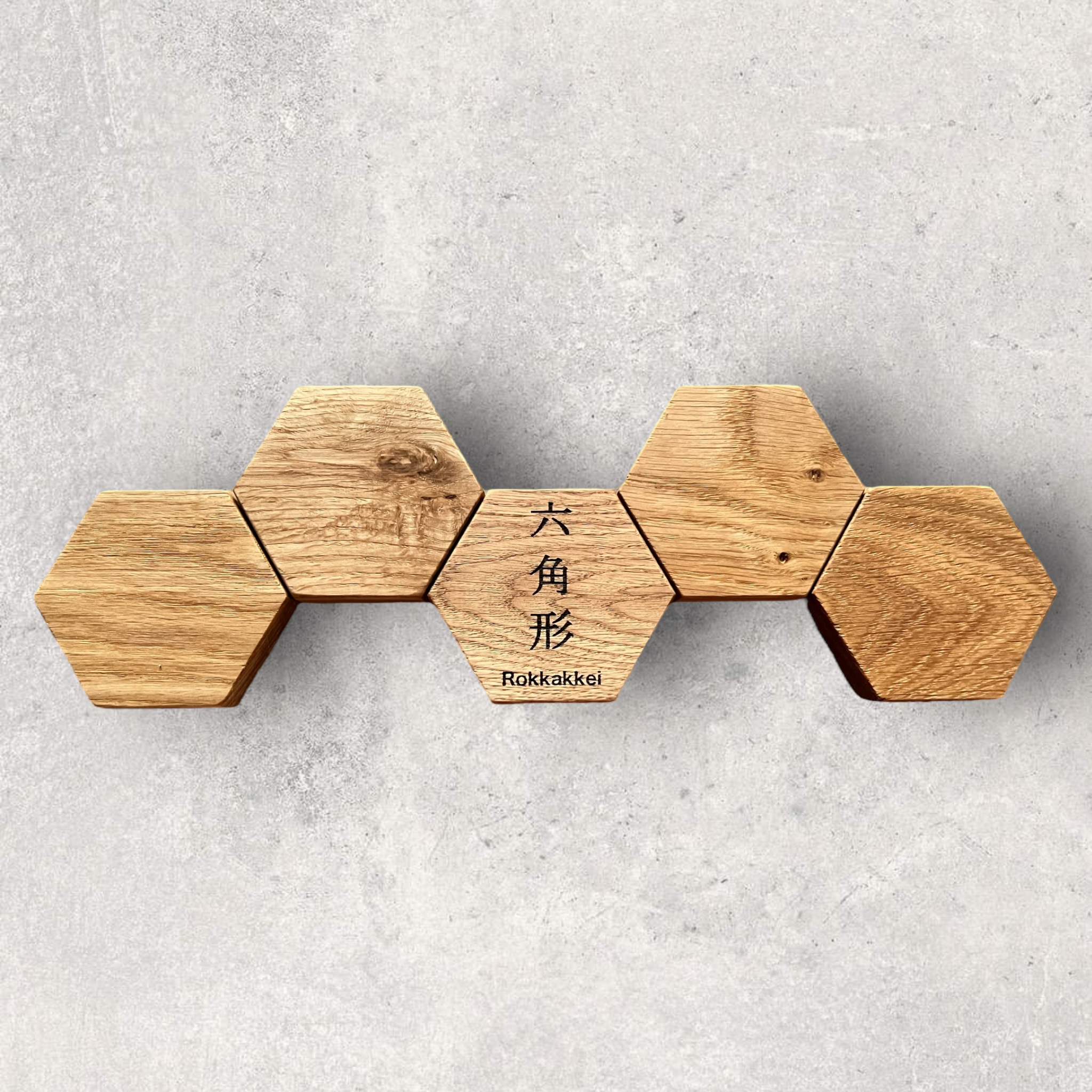
A whetstone is traditionally used for sharpening. In addition, store the knife so that the blade does not come into contact with other objects (for example, in a nice Rokkakkei knife block) and preferably use a wooden cutting board. This will keep the blade sharp longer, and a good knife will last for years.
No account yet?
Create an AccountWe use cookies to ensure the online store works properly and to see which of our Japanese specialties interest you. This way, we can show you more of what you like and less of what you’re not looking for. Is that okay with you? You can always decline or change your settings later.