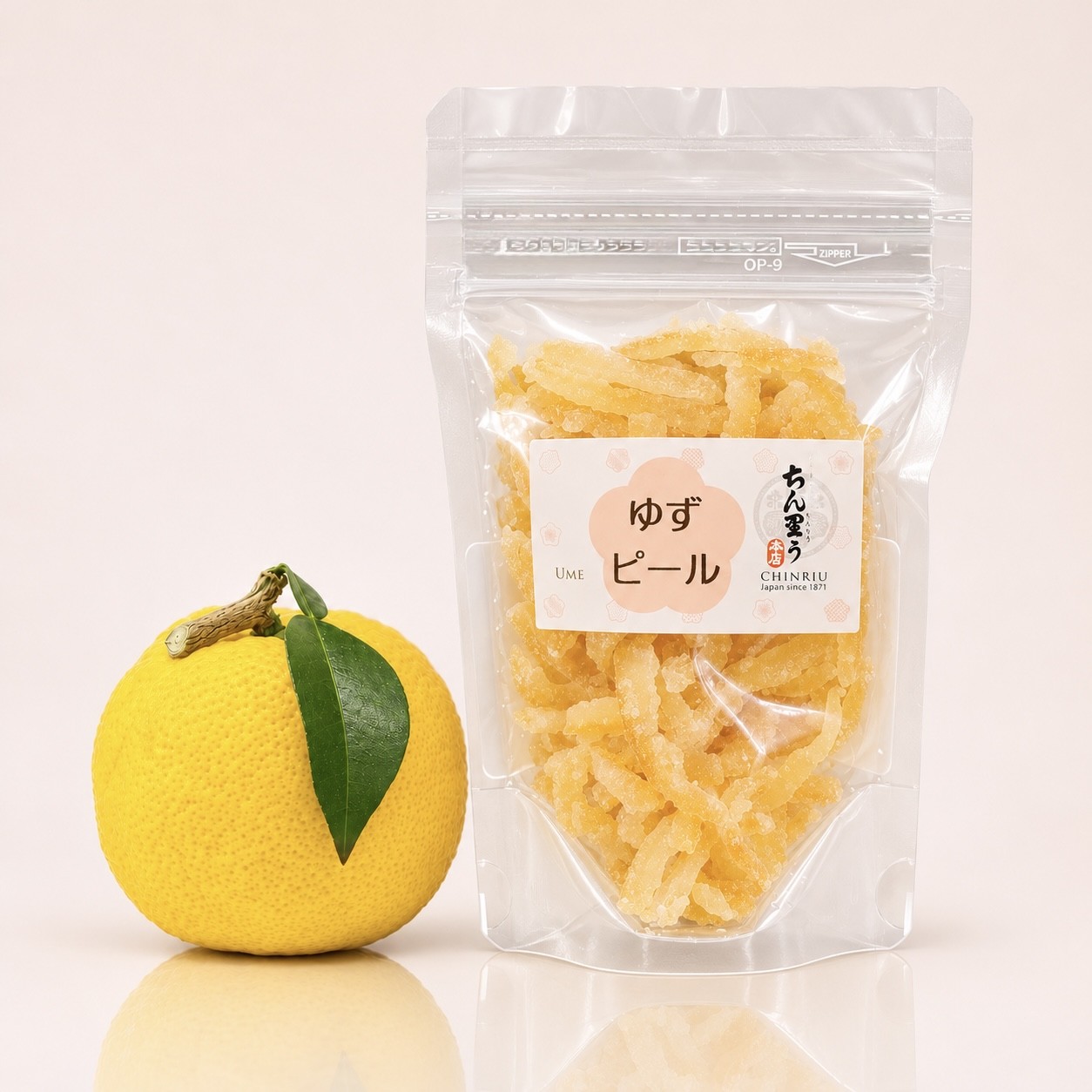
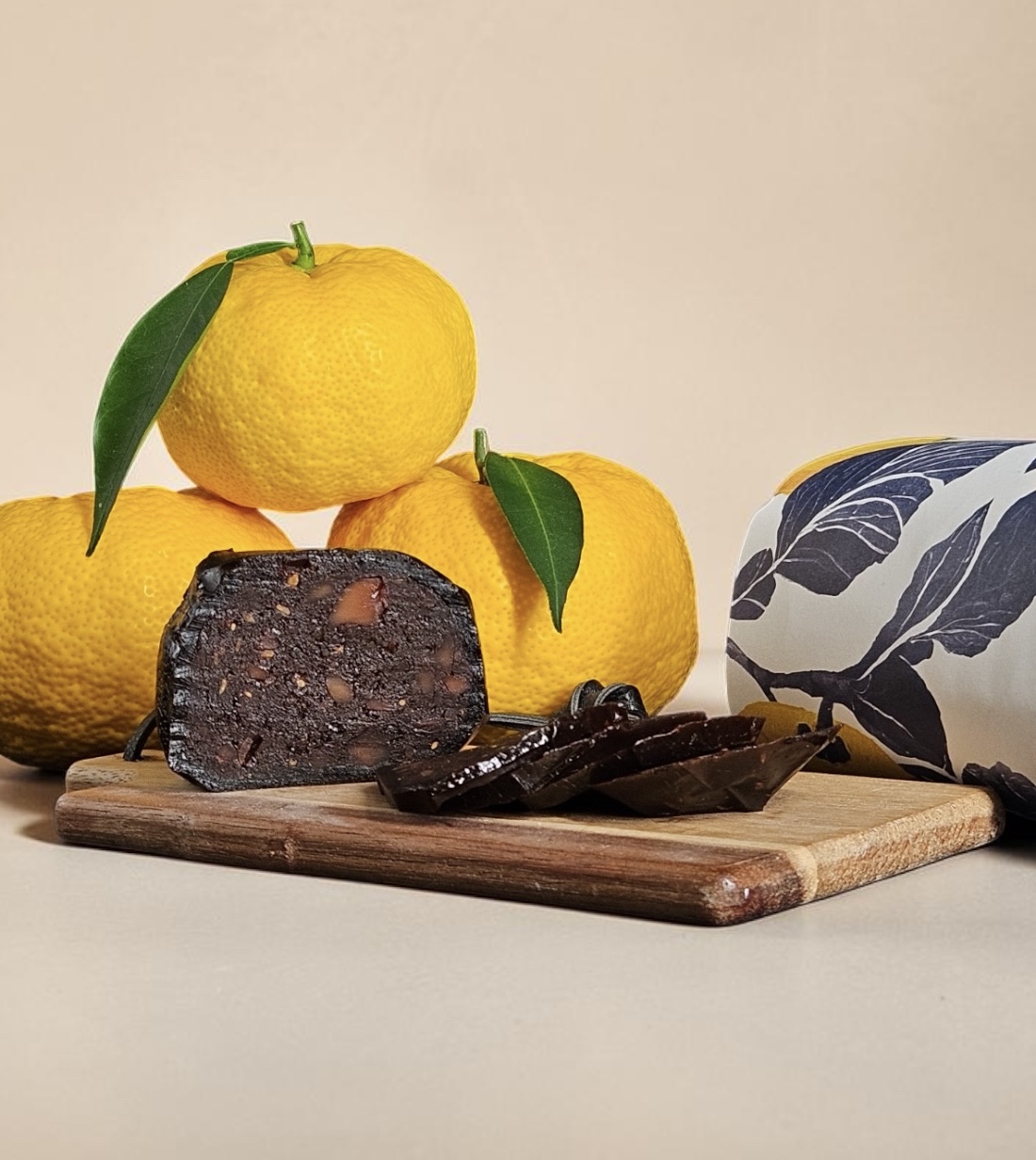
Japanese snacks and delicacies beautifully illustrate the breadth of Japanese food culture. Sometimes they’re simple treats to enjoy with a drink or as a snack, while other times they’re unique specialties that blend flavor, texture, presentation, seasonality, and tradition. For example, Japanese cuisine offers both distinctly savory and umami-rich snacks as well as refined sweets in which ingredients such as rice, azuki beans, ume, and yuzu play a key role.
Wagashi hold a special place: traditional Japanese sweets that are often enjoyed with tea and can be deeply connected to nature and the seasons. Their shape, color, and ingredients change regularly with the time of year. Rice and rice flour form the basis of many well-known examples, such as mochi and monaka, often combined with anko: a sweet paste made from azuki beans. It is precisely the combination of relatively simple ingredients, varied textures, and careful presentation that makes these sweets so distinctive.
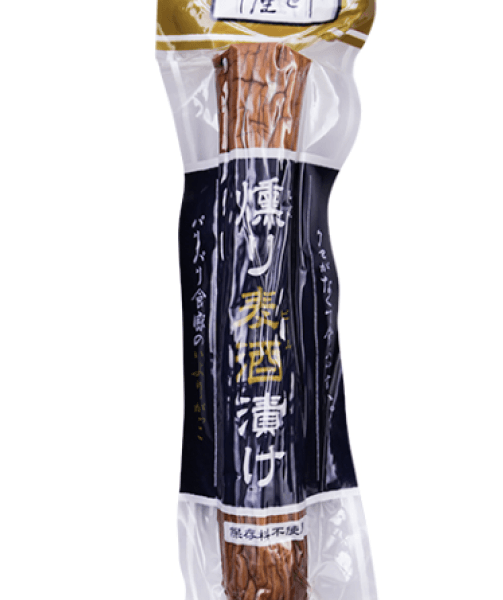
But Japanese delicacies are certainly not just sweet. Think also of products with distinct flavors of smoke, salt, sourness, fermentation, and umami. Ume, for example, can be processed into umeboshi with an intense sour-salty flavor, while yuzu appears in both sweet and savory specialties. Crispy seaweed snacks, pickled products, and other small bites also demonstrate just how much flavor can be packed into a seemingly simple product.
At Dutch Wasabi, we seek out snacks and delicacies that offer a unique taste or story—from traditional Japanese products and seasonal specialties to modern interpretations. Some you can eat straight out of the package, while others can be used as part of a dessert, an appetizer platter, or your own creation. This category is primarily intended to help you discover, share, and get acquainted with flavors and textures that are still far from commonplace here.
No account yet?
Create an AccountWe use cookies to ensure the online store works properly and to see which of our Japanese specialties interest you. This way, we can show you more of what you like and less of what you’re not looking for. Is that okay with you? You can always decline or change your settings later.