




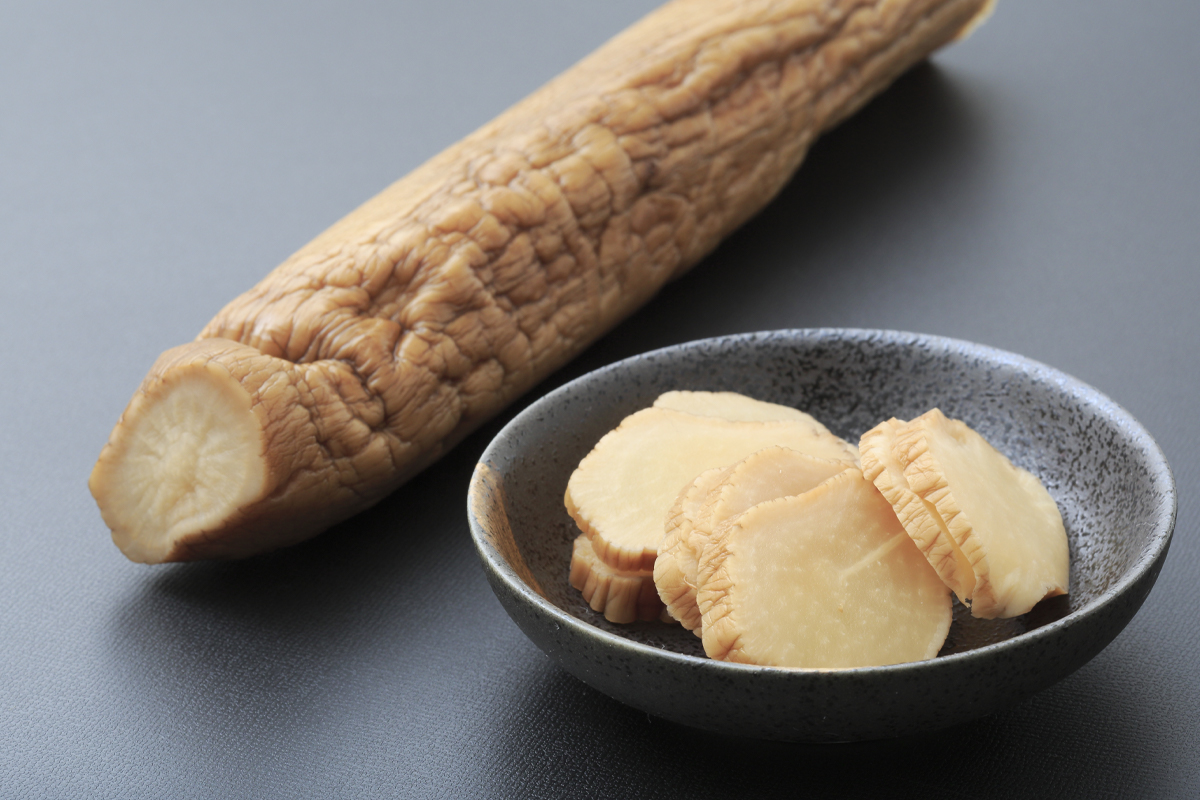




Iburigakko whole (smoked pickled daikon) - 280 grams
€ 9,80 incl. VAT
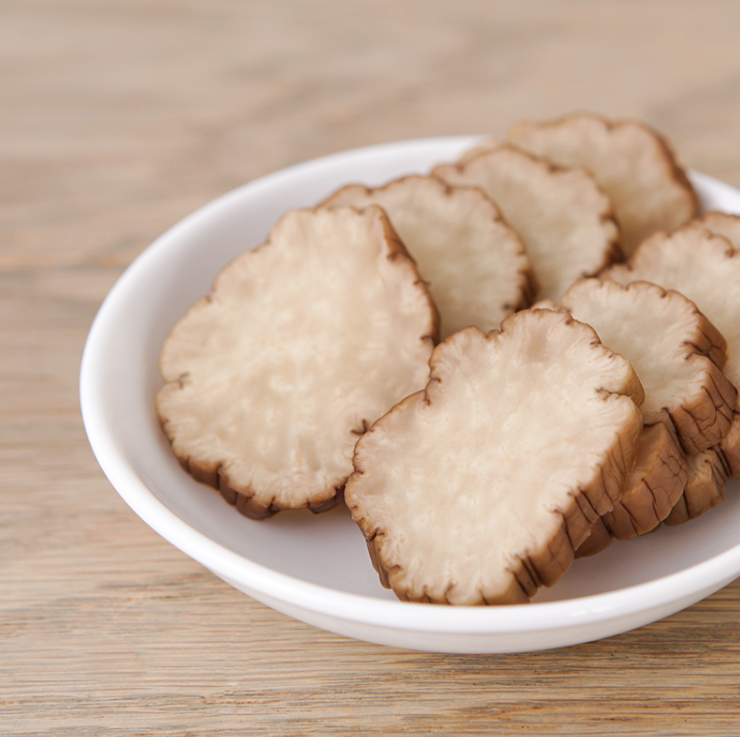
An authentic Japanese delicacy from Akita Prefecture: sliced daikon carefully smoked and pickled in rice bran, salt and beer for a crunchy texture and intense smoky flavor. A delicious umami side dish. Also available in pre-cut slices.
On stock
Description
We carry two other varieties of iburigakko: the same as this one but pre-cut in slices, and a premium whole variety (not marinated in beer).
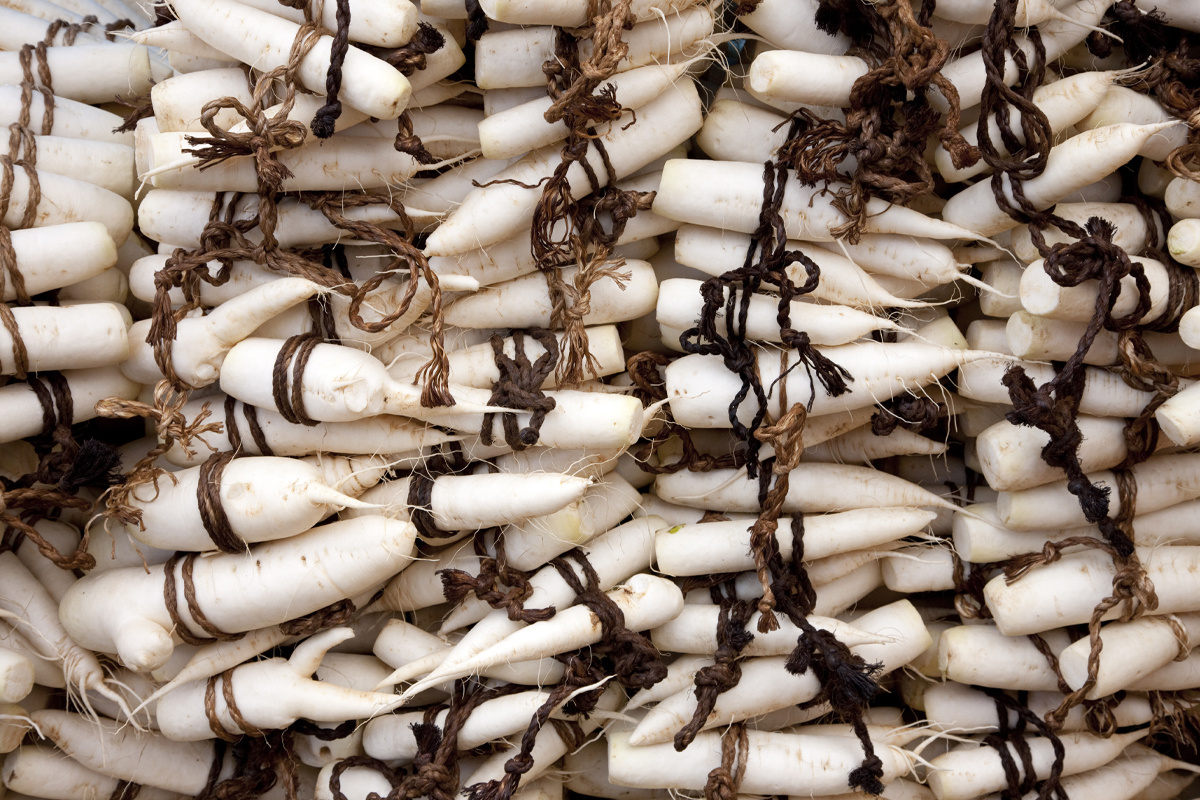
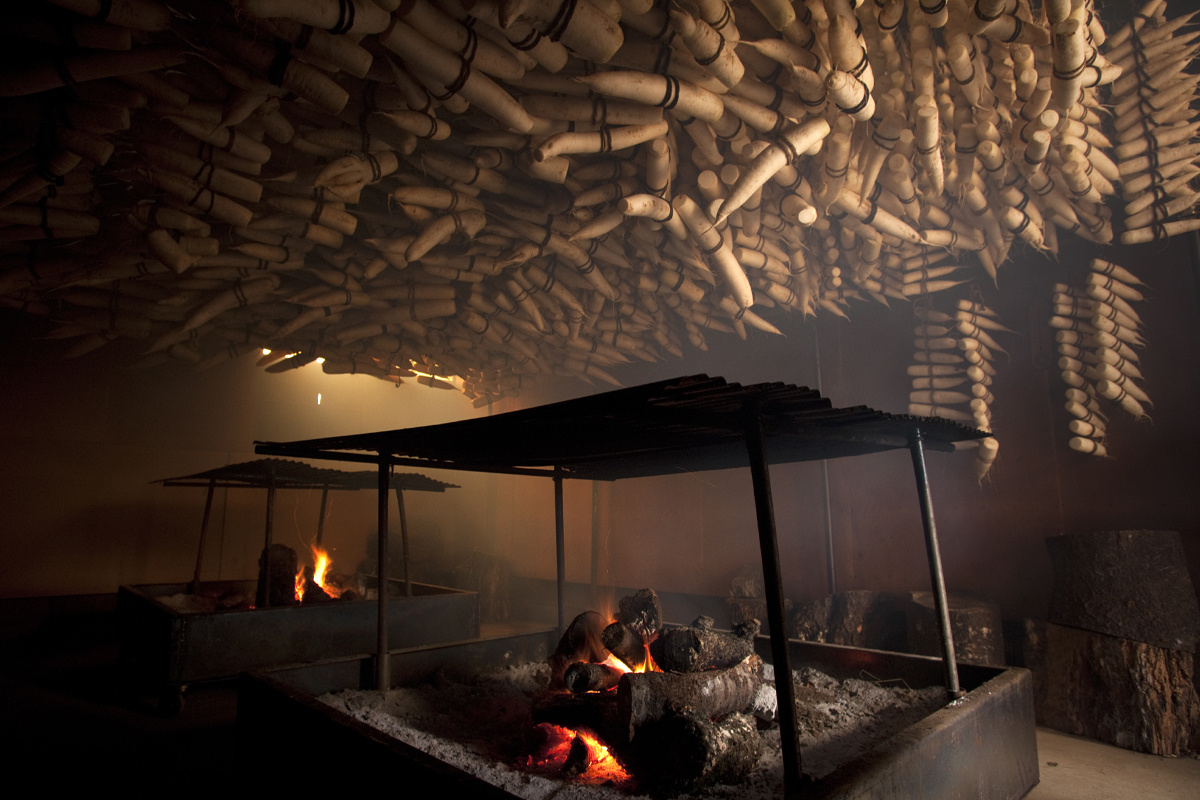
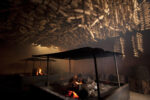
Iburigakko is a traditional specialty from Akita prefecture in northern Japan. The name comes from “iburi” (smoked) and “gakko” (tsukemono or pickled vegetable in the Akita dialect). In a region where winters are long and snowy, daikons were not dried in the sun but hung over a flue or fireplace and smoked for 2 to 5 days. Then they were pickled in a mixture of rice bran (nuka), salt and sugar and so aged for months. Finally, the daikon is marinated in beer. The result: a spicy, smoky and crunchy pickle that differs in texture and taste from regular pickled daikon due to the unique production method.
Flavor Profile
This Iburigakko offers a fiery smoke flavor combined with a slight sweetness and a deep umami note, enhanced by marinating in beer. The radish remains surprisingly crisp and the aroma of the smoked wood (such as oak or cherry) is evident. The balance of salt, smoke and natural radish flavor makes it a characterful accompaniment to a meal.
Application
- Serve thinly sliced as a classic side dish with rice or sake.
- Combine with cream cheese or soft cheeses for a surprising, Japanese appetizer.
- Cut into pieces and use as a topping over rice, poke bowl or salad for extra crunch and flavor.
- Slice and serve as a snack on the drinks board, perfect with a beer or glass of wine!
- Ideal as a crunchy component in fusion dishes.
Where does Iburigakko come from?
Iburigakko is a traditional pickled radish specific to the Ogachi region, characterized by its unique smoking process over an open fire. Originating in the Muromachi period, this method was born out of necessity due to Ogachi's climate, which made traditional sun-drying of radishes for pickling difficult. The heat and smoke from the hearth gave the pickles their own flavor, which kept longer and tasted sweeter due to the cold climate. At first, radishes were hung over the fireplace, but the practice evolved over time.
However, with the advent of wood-burning stoves around 1955, traditional dug-in fireplaces fell into disuse, leading to a decline in the quality of Iburigakko and a waning interest in its production due to changing food preferences influenced by urban trends. Nevertheless, there was renewed interest in Iburigakko around 1965, leading to efforts to revive the traditional method. The first owner of Ogachino Kimuraya built a smokehouse to carefully smoke the radishes over selected wood, preserving the authentic taste of Iburigakko.
After refining the process, the pickles were named “Iburigakko,” combining the word “Iburi” meaning “smoked” with “gakko,” the dialect term for “pickled vegetables” in Akita. The aroma and taste of the pickles evoke memories of hearth fires and traditional rural life in Akita, reflecting the culture of the region rooted in its natural environment. The simple and natural taste of Iburigakko reflects centuries-old tradition and invites consumers to experience the essence of Akita's mountains and fields through its flavors.