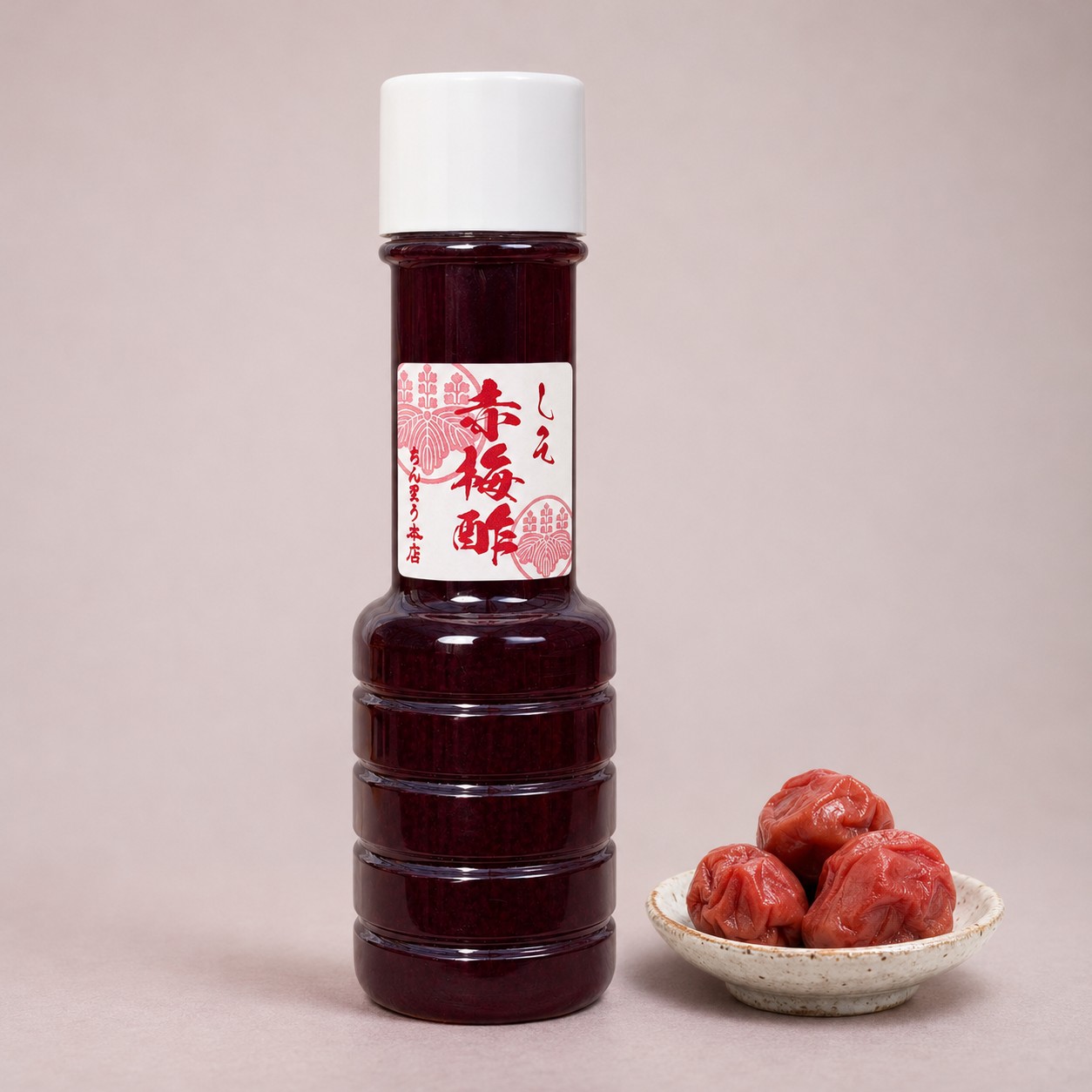
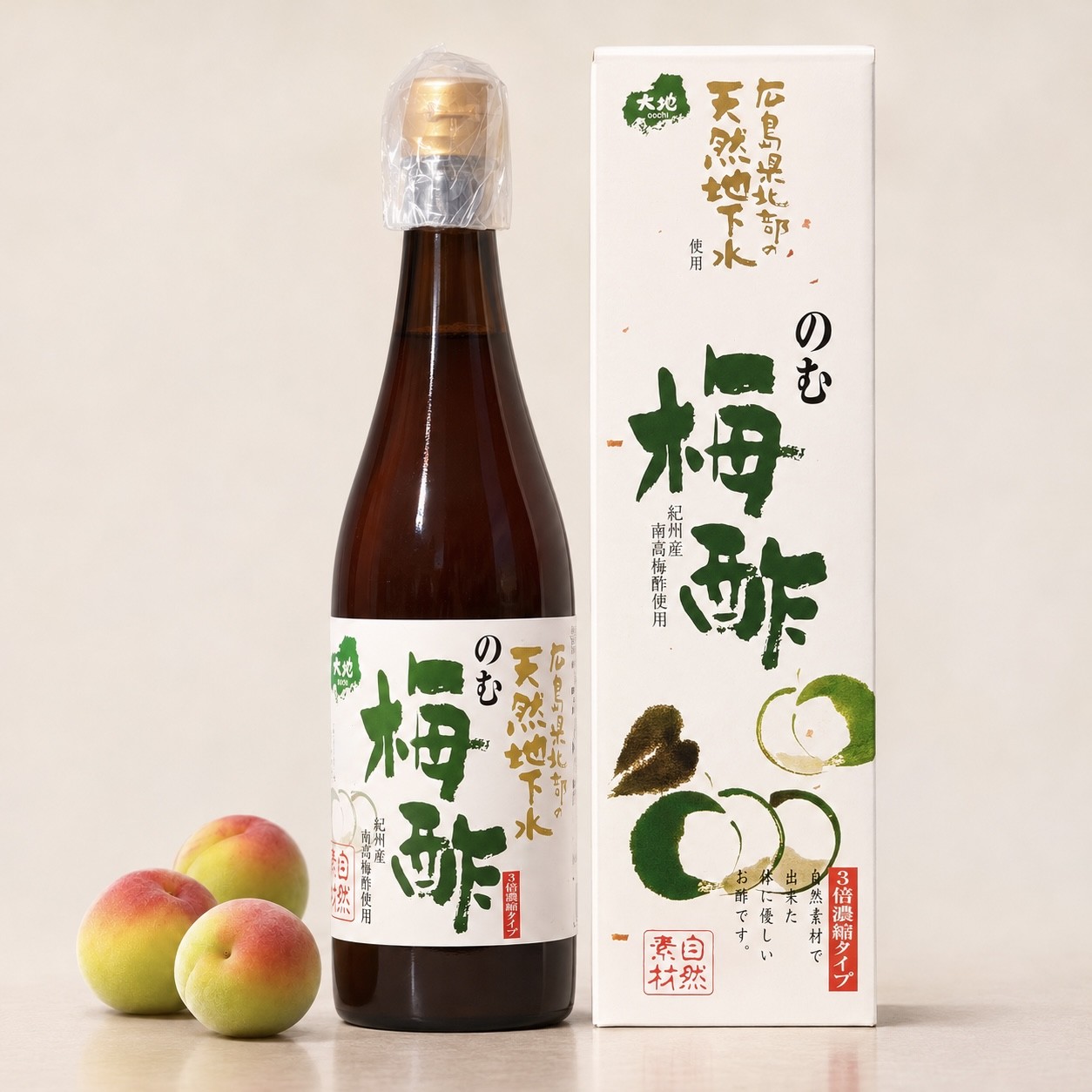
Ume (梅) holds a special place in Japanese cuisine and seasonal culture. The fruit, often translated as ‘Japanese plum,’ is botanically known as Prunus mume and is more closely related to the apricot. Fresh ume is firm and distinctly sour, so it is not typically eaten fresh but is instead processed and preserved. This gives rise to well-known Japanese specialties such as umeboshi, ume syrup, and other sweet or savory ume preparations.
The best-known variety is umeboshi: ume preserved in salt and often left to ripen alongside red shiso, which can impart both aroma and the characteristic reddish-pink color. The flavor is intensely sour and salty, with a distinct fruity character. Umeboshi is traditionally eaten with rice, used in onigiri, and as a seasoning in sauces and other dishes. The fruit pulp is also used to make umeboshi paste, a convenient way to add that same powerful flavor in a targeted manner.
However, ume also has a much milder, sweeter side. In our selection, for example, you’ll find ume in sweet syrup, in addition to traditional umeboshi, mini umeboshi, umeboshi paste, and seasonings that combine ume with ingredients such as nori or sesame. Use ume in the classic way with rice and Japanese dishes, but also in dressings, dips, sauces, and other preparations where a combination of fruity acidity, saltiness, and depth adds an interesting flavor profile.
No account yet?
Create an AccountWe use cookies to ensure the online store works properly and to see which of our Japanese specialties interest you. This way, we can show you more of what you like and less of what you’re not looking for. Is that okay with you? You can always decline or change your settings later.