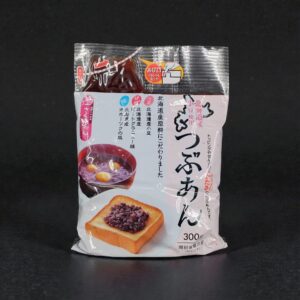




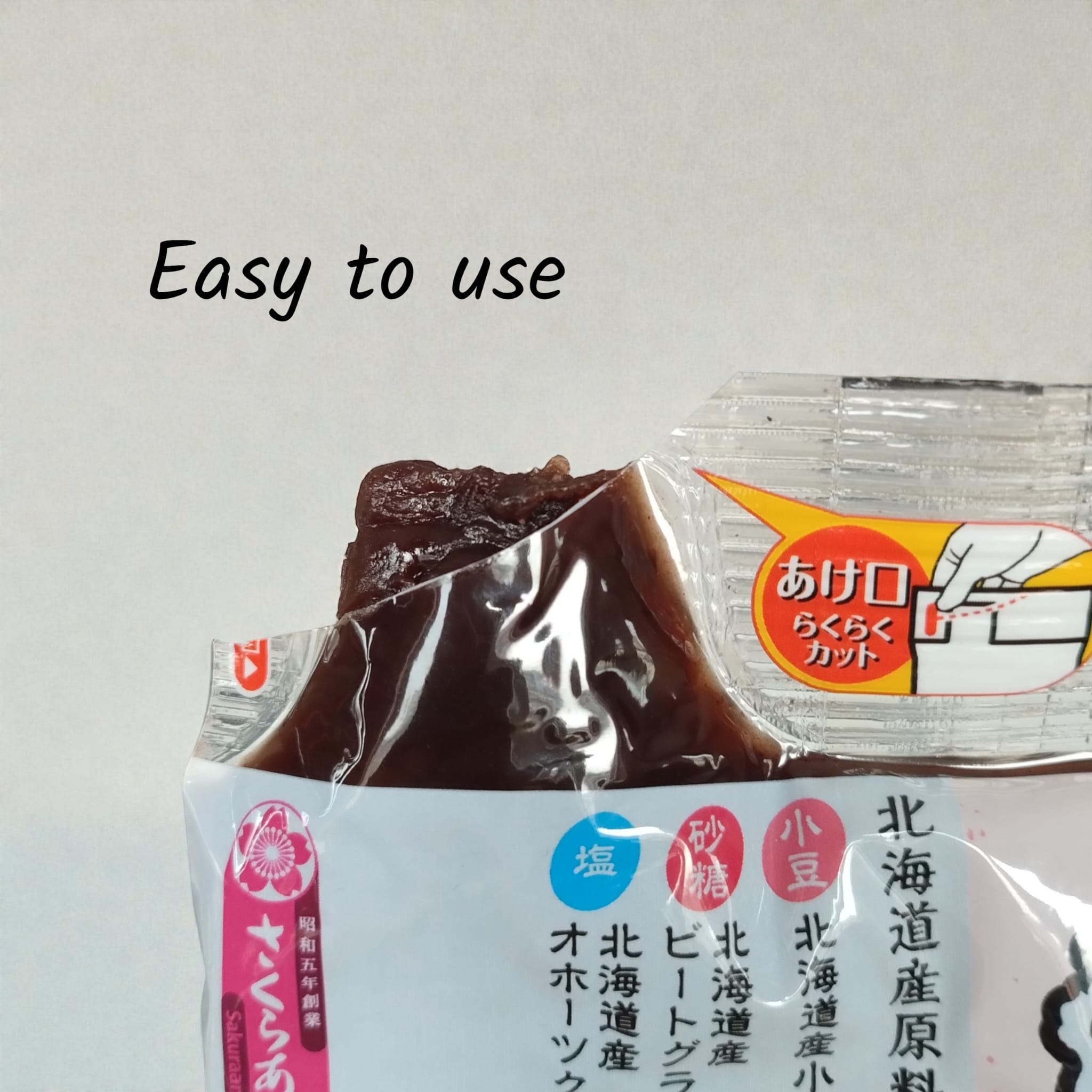


Anko koshian (smooth sweet bean paste) - 300 grams
€ 7,95 incl. VAT
Indispensable in Japanese sweet cooking. Perfect for such things as daifuku (mochi), dorayaki and taiyaki. Silky smooth texture that melts in the mouth. Delicate sweetness with the rich, warm flavor of azuki beans.
Op voorraad
Description
One of the main (basic) ingredients of Japanese sweets (wagashi) in Japan is sweet red bean paste: anko or an. This pasta is usually made from red azuki/adzuki beans, sugar and a small amount of salt. Azuki beans are also among the most commonly used legumes in Japanese cuisine.
For the sweet red bean paste, the beans are cooked and then processed in various ways:
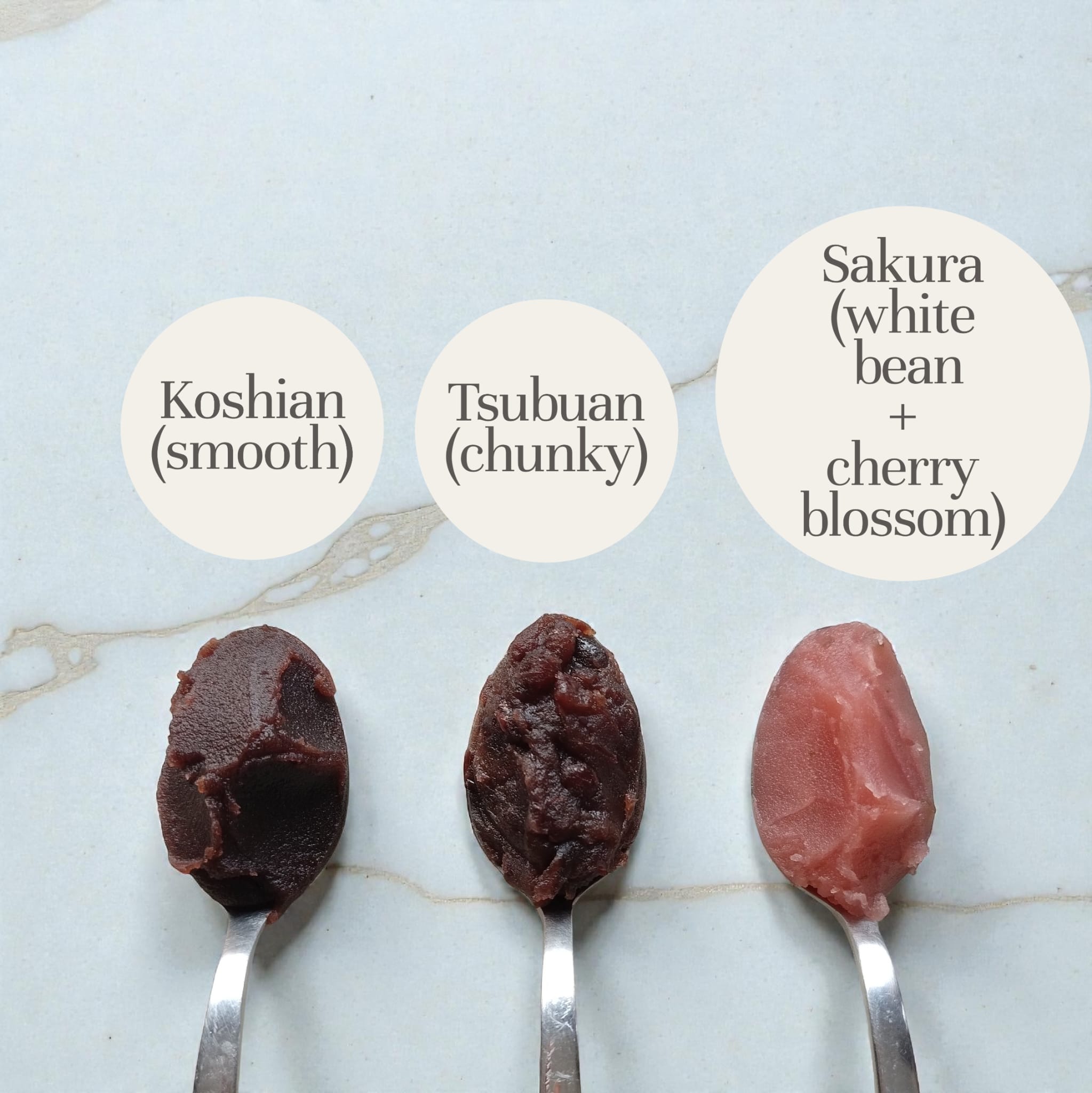
1. Tsubuan (also in our range): the beans remain whole or are partially ground.
2. Koshian (this variant): the beans are completely pureed (and sifted from the husks) into a smooth paste.
This smooth red bean paste is fantastic for an awful lot of uses in the kitchen. It has a silky smooth texture that melts in the mouth. Delicately sweet with the layered flavor of azuki beans.
Application
Red bean paste in Japan is often bought ready-made in stores (as is our paste) but is also made at home from whole azuki beans, especially for special occasions, such as:
- Sakura mochi: pink-colored balls of sticky rice (with sugar, half crushed) filled with red bean paste and coated with edible pickled cherry leaves (sakura).
- Ohagi: balls of sticky rice covered with sweet red bean paste. Traditionally made during the autumn equinox.
- Zenzai: a traditional sweet red bean soup eaten mainly in winter. The soup is usually served with toasted pieces of mochi. Zenzai can be prepared in several ways: chunky, with coarse pieces of bean or smooth and mashed, known as oshiruko. There are also numerous variations: thicker or thinner, sweeter or less sweet, with mochi balls, different spices or citrus zest. The soup can be eaten hot or cold, but heated is particularly suitable for cold winter days.
The smooth, pureed version of zenzai (oshiruko) you can easily make with our pre-made, smooth red bean paste. The package has a picture and a small basic recipe, which is written out below (4 to 5 servings):
1. Put 300 grams of the red bean paste and 300 ml water in a saucepan. Mix well and heat while stirring so it does not burn.
2. Add a pinch of salt toe.
3. Add any toasted mochi Add pieces (or chestnuts).
4. Add more sugar Add and adjust the sweetness to your taste.
Although you can make this dish as sweet as you like, it is “not too sweet” in Japan (and many other Asian countries) one of the greatest compliments of desserts. A confectionery or dessert may be sweet, but preferably not so sweet that it overpowers the subtle flavor of the main ingredients. The characteristic, earthy flavor of the red beans should remain recognizable, which is what makes it so fantastic!
With our red bean paste, you can make many other Japanese delicacies, such as:
- Mizu-yōkan: red bean jelly.
- Taiyaki: sweet wafers in the shape of a fish filled with the red bean paste.
- Dorayaki: two small, thick round pancakes with the red bean paste in between.
- Daifuku: mochi (sticky rice “cakes”), filled with the red bean paste and possibly fruit such as strawberry.
- About shaved ice or matcha ice cream.
- Retrieved from toast (see image on package).
- In a matcha latte or bubble tea (usually with pieces)
- And much more!
Producer
This smooth red bean paste is produced by Tanio Foods; a Japanese family-owned company founded in 1930 and based in Okayama, Japan. From the beginning, they have specialized in the production of sweet red bean paste. At Tanio, they use a combination of traditional craftsmanship with modern production techniques. The company is now firmly established in the Japanese market. The beans for this smooth red bean paste come from Hokkaido.
You may also like…
Premium sticky rice flour (shiratamako) for mochi and dango - 1 kg