



Premium sticky rice flour (shiratamako) for mochi and dango - 1 kg
€ 23,00 incl. VAT
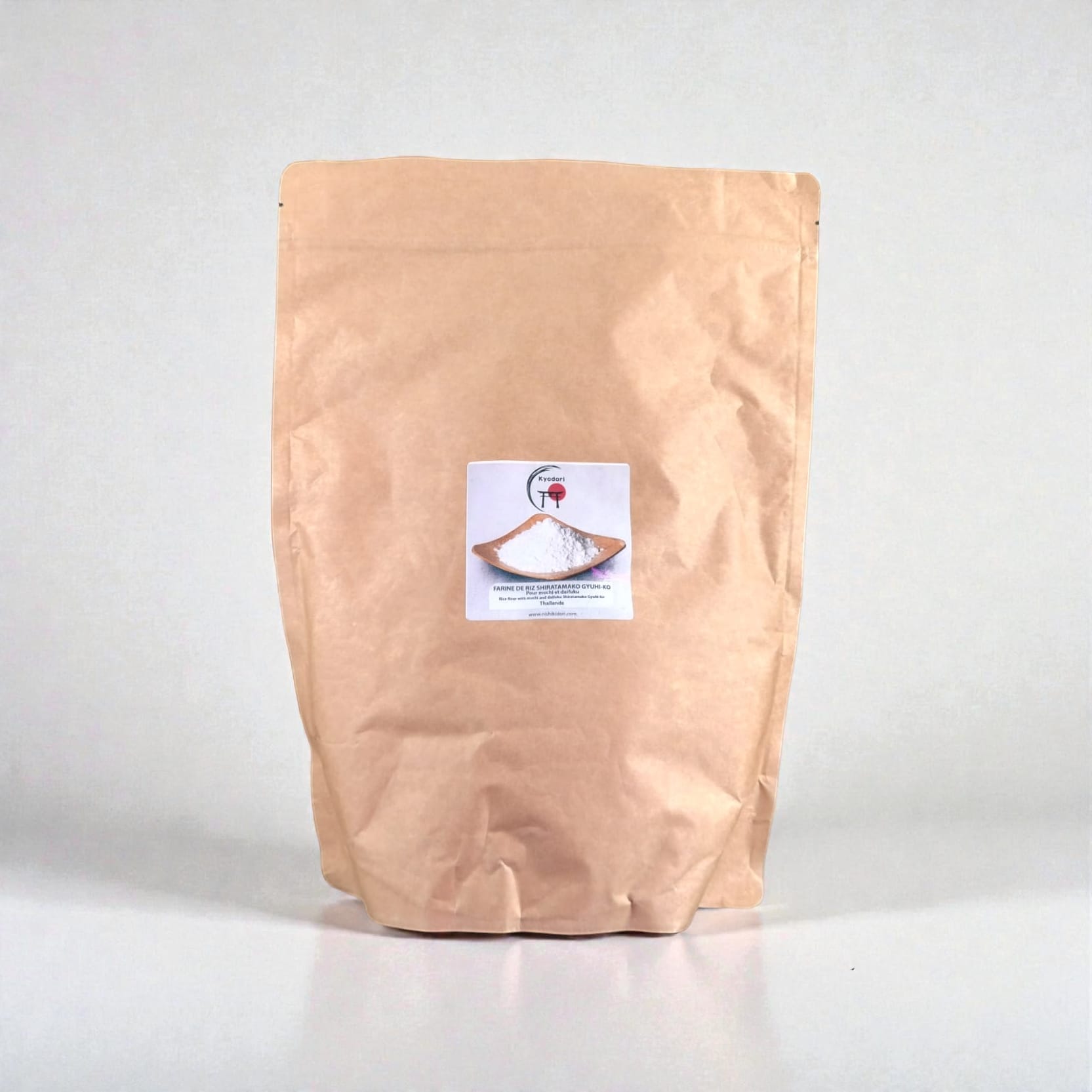
Premium flour for making incredibly soft and smooth mochi with a great bite. With rice starch for an even more refined texture. Easy to use and endless possibilities; from traditional wagashi to popular mochi ice cream variants.
On stock
Description
Shiratamako is a premium mochi rice flour made from sticky rice. This flour is known for its good results: a super smooth and elastic mochi texture, a beautiful white color and a soft, creamy bite.
This variety consists of sticky rice flour with a small amount of rice starch. This makes the dough softer, refines the texture and makes it smoother and more pleasant to work with.
Mochi
Mochi are Japanese sticky rice ”cakes,” usually in round form, made from steamed and pounded sticky rice or from sticky rice flour, water (and sugar). It has an elastic, sticky texture and can be eaten by itself or serve as a base for a variety of Japanese dishes and sweets, such as daifuku (mochi filled with anko (sweet red bean paste)). Mochi is thus both a dish in itself and an umbrella name for dishes made with mochi.
The sticky rice flour, from which mochi can be made, is usually mochiko or shiratamako (like this variant). Shiratamako is the premium choice and is widely used in traditional Japanese confectionery. It provides: softer mochi, a smoother texture, a nicer end result. Mochiko gives a firmer mochi and is therefore often cheaper.
In Japan, you also often see kiri mochi: square or rectangular mochi slices. These are made from steamed and pounded sticky rice that has been dried and vacuum packed. In the package, they are hard and firm, but as soon as you heat them (or sometimes soak them in water), they become stretchy and soft again.
Application
Traditionally, mochi is a popular New Year's product in Japan. It is still widely eaten around the turn of the year, but nowadays mochi is popular all year round. Due to the global popularity of Japanese cuisine, mochi has also become hugely famous in the West, for example in the form of mochi filled with ice cream.
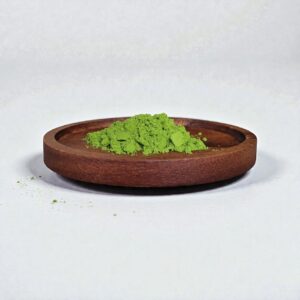
Mochi is often grilled and then in sweet red bean soup (zenzai) done or coated with sweetened soybean flour (kinako). In addition, one of the best known (and perhaps tastiest) applications is daifuku: mochi filled with anko (sweet red bean paste), often eaten with green tea, such as matcha. Daifuku is additionally often filled with fruits such as strawberry. Also, you can matcha incorporate into the mochi dough itself, for a delicious vegetable tea flavor and beautiful green color.
Although mochi is best known in the West as sweet, (in Japan) it also has savory uses such as: grilled with soy sauce dip or nori (seaweed), grilled in pureed corn soup (tomorokoshi surinagashi-jiru), grilled in new year soup (ozoni) or fried and served with broth and radish (agemochi iridashi). When grilled, mochi expands and acquires a slight crunch.
Recipe (basic mochi)
1. In a heatproof bowl, put 100 grams of shiratamako, add 60 grams of sugar and stir.
2. Add 160 ml of water, and stir well with a whisk.
3. Microwave: cover the bowl loosely with plastic wrap (which is suitable for the magnetorn). Heat the mixture for 1 min at 900 W. Stir well with a spatula: scrape everything off the edges and mix completely. Heat again for 1 min. Stir again until a thick and sticky dough forms. Heat again for 30 sec. It is ready when the dough is shiny, elastic and almost transparent (no white or dry spots). While heating, the mixture turns into a shiny, thick and stretchy mochi dough. Watch your dough carefully: maybe your dough needs an extra turn in the magneton if it is not yet the right thickness and texture.
4. Dust your work surface (countertop) and hands with corn/potato starch, pour the dough onto it and roll it out.
5. Place the dough in the refrigerator for about 10 minutes to cool and rest.
6. Remove the dough from the refrigerator and form small balls.
7. You can optionally roll out the balls of mochi flat and fill them with a delicious sweet bean paste: koshian (smooth), tsubuan (chunky), or sakura (with cherry blossom): that's how to make daifuku!
Dango
With this flour you can also dango make: firm sticky rice balls.Dango is made from: sticky rice flour, water, sugar and often a little ordinary rice flour. The difference with mochi is also in the preparation; with dango you first form balls and cook them in water. With mochi, you first steam (or microwave) the mixture and then form the dough.
Dango is not a form of mochi, but a separate dish. It is often served with a sweet soy sauce glaze (mitarashi dango).
Producer
Gunma Seifun is a Japanese producer of various types of flour from Shibukawa (Gunma). For its customers, the company has this sticky rice flour specially produced in Thailand, where they can guarantee the best combination of price and quality. Thai rice is used for this flour, mixed with a small amount of rice starch.
Gunma Seifun has been manufacturing and developing for more than 80 years and is committed to a good working environment for its employees. Combining modern technologies with traditional working methods, Gunma Seifun develops all kinds of (rice) flour, powders and powder mixes for both Japanese confectionery and Western patisserie. Production is based on years of experience, knowledge and professional technique.
Moreover, Gunma Seifun uses only ingredients whose origin is fully known; real attention, in other words. The company works closely with its (mostly Japanese) customers to perfectly meet their specific needs.