



Blog
Types of Miso: Differences, Flavors and Uses

Author: Charlotte Hamilton (Charlotte's Foodweb)
Miso
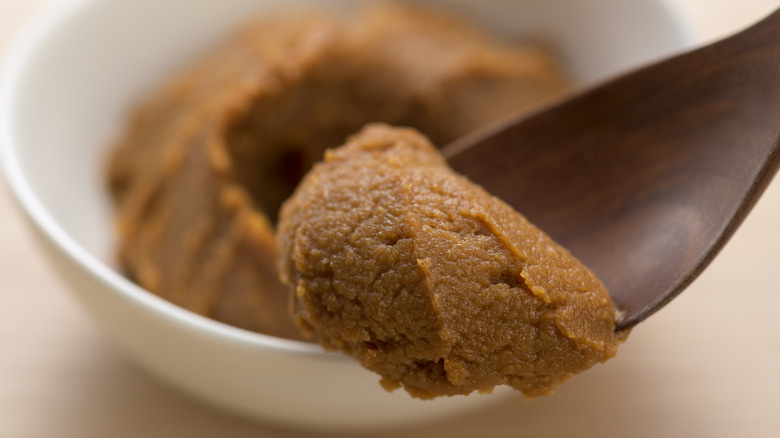
Miso may be a well-known ingredient by now, but it is often referred to simply as ‘miso. A recipe will say, ’add a tablespoon of miso,‘ but really this is a bit like, ’add wine. There are all kinds of miso with flavor profiles and properties.
Derived from fermented soybeans, grains such as rice or barley, salt and sometimes other ingredients, miso has many varieties, each offering unique flavor properties and culinary uses. So exactly what types of miso are there and what can you use it for?
Shiro miso (white miso)
Shiro miso, also known as white miso, is a mild and sweet variety of miso. Made from a higher proportion of fermented rice or soybeans and less salt, it has a light yellow/beige color and a subtle flavor. Shiro miso is often used in soups, dressings and marinades, where it adds a delicate aroma and creamy texture.
Aka miso (red miso)
Aka miso, or red miso, is known for its deeper, richer flavor and darker color. Made from a higher concentration of soybeans and a longer fermentation process, it has a powerful umami flavor with a slight sharpness. Aka miso is often used in savory dishes such as miso soup, stews and glazes for grilled meat or fish.
Awase miso (mixed miso)
Awase miso is a blend of different types of miso, often shiro miso and aka miso. This combination results in a balanced flavor that is both sweet and savory, with a complex depth of umami. Awase miso is widely used in Japanese cuisine for general cooking, such as sauces, stews and baked dishes.
Hatcho miso
Hatcho miso is characterized by its dark color and rich flavor profile. Made from only soybeans and a long fermentation process, it has an intense umami flavor with earthy notes and a powerful texture. Hatcho miso is often used in traditional Japanese dishes such as miso soup, noodle soups and pickles.
Mugi miso (barley miso)
Mugi miso, or barley miso, is made from a combination of soybeans and fermented barley. It has a light, nutty flavor and a slightly sweeter undertone than other types of miso. Mugi miso is often used in soups, sauces and dressings for a subtle flavor enhancement.
Gemnai miso (brown rice miso)
Genmai miso, or brown rice miso, is produced using brown rice in addition to soybeans. It has an earthy flavor and slight sweetness, with a slightly coarser texture than other miso varieties. Genmai miso is often used in vegetarian dishes, soups and stews for added depth and flavor.
Manyo Komachi
Manyo Komachi is a variety of miso that takes its name from the ancient Japanese poetic collection “Manyoshu.” It is a renowned variety of miso produced by the company Marukome. Manyo Komachi is known for its unique taste and high quality, which are the result of carefully selected ingredients and a traditional fermentation process.
Manyo Komachi is characterized by its creamy texture and rich umami flavor. It has a balanced sweetness and subtle sharpness that make it a versatile ingredient for various culinary applications. It is often used in traditional Japanese dishes such as miso soup, sauces, marinades and dressings.
The Manyo Komachi production process begins with the careful selection of high-quality soybeans and grains, such as rice or barley, which are then cooked and mixed with salt and koji, a fermentation culture. This mixture is then fermented and aged over a period of time, usually several months to a year, to develop the desired flavor and texture.
Manyo Komachi is valued for its natural and healthy properties. It contains nutritious ingredients such as protein, fiber, vitamins and minerals, and also has probiotic benefits that are beneficial for digestion and overall health.
Overall, Manyo Komachi is considered a premium miso variety appreciated by foodies and lovers of Japanese cuisine around the world. With its balanced flavor profile and nutrient-rich properties, Manyo Komachi remains a popular choice for home-cooked dishes and culinary creations in restaurants.